Custom parts from your drawing
Turn a defined requirement into a clear manufacturing enquiry.
Bring your drawing, sample reference or specification. We start with the details that matter to your component, then agree the next steps with you.
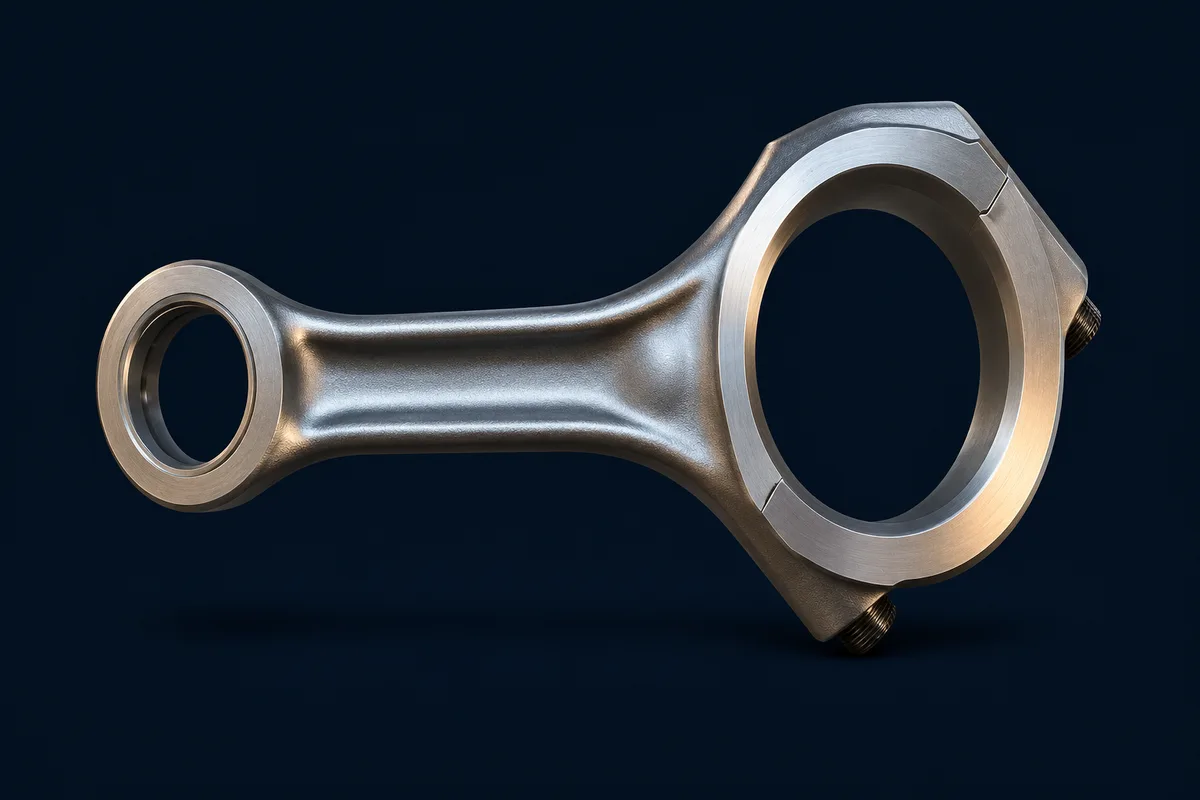
From drawing to delivery.
A clear sequence of review and confirmation. Manufacturing scope and arrangements are agreed for each enquiry.
- 01
Share your drawing
Start with the current revision, key dimensions and intended application.
Next milestoneDrawing + requirements - 02
Review the requirements
Clarify material, tolerances, finish and inspection criteria. Confirm feasibility before proceeding.
Next milestoneAgreed technical scope - 03
Agree the quotation
Review quantities, tooling or sample needs, commercial terms and the proposed schedule.
Next milestoneQuotation + sample plan - 04
Confirm the sample
Where samples are agreed, assess them against the approved drawing and acceptance criteria.
Next milestoneWritten sample acceptance - 05
Confirm production & delivery
Proceed only after the order scope, inspection records, packaging and delivery terms are agreed.
Next milestoneOrder + delivery plan
If a requirement changes, return to technical review before moving forward. A drawing enquiry does not by itself confirm manufacturing feasibility.
A better brief.
A clearer quotation.
Prepare these details for your first enquiry.
Missing a detail? Identify it as open so it can be resolved during review.
View the drawing checklist →- Drawing & revision
- Part number, current revision, dimensions, units and critical interfaces. Include a readable drawing alongside any model reference.
- Material & finish
- Material grade, heat treatment, coating and surface finish requirements, where applicable.
- Quality & acceptance
- Critical tolerances, inspection methods, sample criteria and the documentation your order requires.
- Quantity & delivery
- Sample and order quantities, intended application, required timing and delivery destination.
Agree the details.
Before production.
The drawing revision, sample criteria and inspection requirements should form one consistent reference for the order.
Keep the decision trail clear
- Confirm the applicable drawing and specification in writing.
- Resolve open dimensions, materials and interfaces.
- Agree whether samples are needed and how they will be assessed.
- Confirm changes before they affect the order.
Before you send a drawing.
Can I start with a sample or photograph?
Yes, you can use a sample reference or photograph to explain the enquiry. Dimensions, material and technical requirements still need to be established; appearance alone cannot confirm a specification.
What if my drawing is incomplete?
Identify the missing information and share the intended application. Open requirements need to be resolved before feasibility, pricing or production arrangements can be confirmed.
Is there a fixed minimum order or lead time?
Quantity requirements, tooling, sample arrangements and timing are assessed for the specific enquiry. No universal minimum order or delivery time is assumed.
How should confidential drawings be handled?
Discuss confidentiality requirements and agree the document-sharing arrangements before providing sensitive drawings.
Have a drawing in mind?
Start with the part, the requirement and the questions still open.